


Why does the Army do Adventurous Training?
- Sean William Mackey
- Oct 25, 2025
- 7 min read

Executive Summery; This paper looks at the value of Adventurous Training for the British Army. There is a long history of expeditions and arduous exploration and the benefits to individuals and units are numerous. Developing leadership skills, teamwork, communication, physical fitness alongside mental and physical courage are some of the more obvious, but mental resilience and coping strategies shouldn’t be ignored or underestimated. The statistics for the number soldiers conducting this type of training are staggeringly high. While the cost is low the benefit are high. Not just with training, but also with recruitment and retention.
The Leadership Alternative: AT is more valuable more than you think.
Maj Sean Mackey RDG
The British Army has a long and prestigious history of challenging and arduous Adventurous Training (AT) expeditions all over the world. From the early Everest attempts during the interwar years to the more recent expeds such as the all-female crossing of the Antarctic by the ‘Ice Maidens’. Some of the greatest mountaineering, sailing and endurance achievements in the last century were made by serving military personnel. Some of the most notable explorers, climbers and adventurers have served in the British Army- Chris Bonington, Ranulph Fiennes and Levison Wood to name a few. Thousands of people have been introduced to the great outdoors via AT through regular or reserve service and the Army Cadet Force. Indeed, the British Military is the only one who formal conducts this type of training in the world.
The reasons for conducting Adventurous Training are numerous and listed on the walls of all the joint service adventurous training centres around the world. Each course starts with a run through of these benefits; Building teamwork, enhancing individual communication ability, physical fitness, moral and physical courage and stretching other personal attributes alongside the ‘hard skills’ of conducting the activity. Fundamentally, it comes down to the Adventurous Training Groups (ATG) strapline ‘Developing Leaders and Building Resilience’.
Indeed Colin Mortlock[1] (in his book ‘The Adventure Alternative’) breaks down the individual’s development into four stages. Firstly, the individual experiences play. Their involvement is minimal, and he is having a pleasant experience. He is learning and creating a base of knowledge of what the activity is about. This can be directly likened to a AT multiactivity week, or a foundation course run by a qualified instructor. The second stage is adventure. Individuals feel in control of the situation but are directly involved in a perceived risk. That can range from a cliff edge to a white water rapid or to jumping out of an aeroplane. From a military perspective the individual is starting their instructor journey in their chosen activity. They understand the risk and are introducing others to the activity- They’re no long thinking about themselves. The third stage is often just a little beyond stage two but is known as ‘Frontier Adventure’.
‘The person has fear of physical harm, or physical or psychological stress, and no longer feels the complete master of the situation. He feels, however, that he can, with considerable effort on his part, and given luck overcome a situation without accident. He accepts that his skills are about to be tested.’
Mortlock (1984)
This third stage will see considerable personal growth and complete engagement. They are controlling their, and others, exposure to risk and is accepting the situation they have put themselves into. The final stage is ‘misadventure’ with all its negative and life changing connotations.
Some may look at the Adventure Alternative example and ask it relevance. Although it written in the 1980s and shows a lack of gender appreciation in its language it is still the predominant textbook of the outdoor industry. Despite its age it still shows the benefits of adventurous training at all levels, from introductory weeks, instructor training through to expeditions to exciting places. These levels all build the skills that are valued by the military and set out by the ATG. The key is the controlled exposure to risk. Going too far can be fatal while not going far enough isn’t going engage the individual. Striking the right balance between the physical and psychological stress is obviously favourable.
Speaking with Maj (Retd) ‘Bronco’ Lane during an interview in late 2019 he made the point that the transferable skills from AT into the military are underrated. He is infamous for making the first ascent of the unclimbed North Ridge of Everest with his fellow SAS colleague Brummie Stokes in 1976 and he followed this up with two further successful summits and copious other expeditions around the world. He stated that his experiences conducting AT made him a better soldier and that a small highly trained recce section has similar challenges for a leader as running an expedition. The skill learnt or practiced in the mountains were transferrable and relevant to high functioning teams operating at tempo. Rehearsing and exercising these skills in a high-pressure environment with an exposure to risk is hard to replicate outside of an actual warzone but can be done in alternative environments. Indeed, one of the key skills missed from the ATG list of benefits of AT is that of organisation. Running an expedition is a leadership, logistical and financial challenge that is developing before even leaving the office.
Developing leaders and building resilience is paramount to the success of units and individuals on operations. Resilience, it can be argued, is both physical and mental which must be balance equally between the two. However, with a recent focus on positive mental health that can withstand the rigours of this profession; AT certainly provides value for money. If the pillars of mental resilience[2] are considered individually, they are all grown by participation in challenging outdoor activities.
1) Self-Belief
2) Positive Affect
3) Emotional Control
4) Mental Control
5) Sense of Purpose
6) Coping
7) Social Support
Indeed, they’re also grown in traditional military training on exercise. However, for the personnel where their time on exercise is limited or their role doesn’t challenge them physical or have a degree of risk, then AT is a great leveller.
Statistics of AT are difficult to assess due to the past two years of activity being cancelled or limited due to the restrictions of COVID 19. There were over 700 events cancelled due to the pandemic in April 2020. Going back further gives a clearer picture of the participation; In TY 2018/19 just over 29,000 Soldiers and Officers (both regular and reserve) took part in 1200 Adventurous Training expeditions and a further 8,500 personnel gained qualifications through the Joint Service Adventurous Training courses[3]. Adventurous outdoor activities are not liked by everyone, and it can be seen that some of this considerable number maybe forced, in the same way others are forced to play sport or represent a unit to make up numbers. In this way sport, fitness and AT often get lumped together (and while they do interlink) they are very different. Fitness, both mental and physical, underpins sport and AT, but sport lacks the risk, duration and stoicism of a demanding AT event.
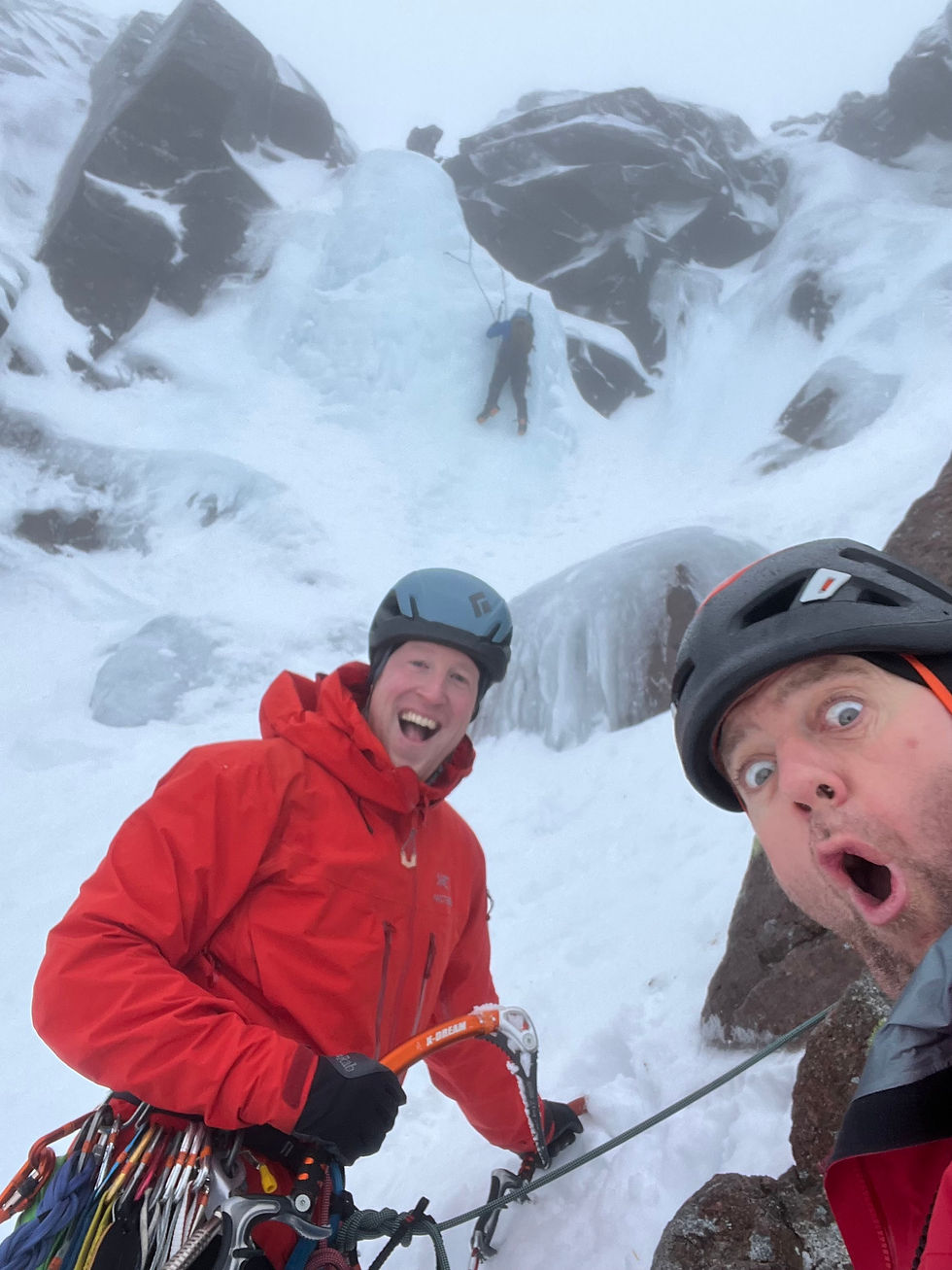
Similarly, the image of unit expeditions or AT courses being a break from work or ‘jolly’ needs to change within the chain of command. Historically, twenty years ago the unit ski trip or sailing expedition for some was little more than holiday. This has changed and expeditions are being encouraged to include more rigour and challenge. While these events and expeditions are motivating and mostly fun, they are also demanding, and it cannot be denied that some require a high level of commitment. Those that qualify as a Winter Mountain Leader (WML) do so by sacrificing much of their own personal time to gain the skills and judgement to take other into risky situations- Few would call living in a snow hole for three days fun! WML is a qualification awarded by Mountain Training Scotland and is at SCQF Level 9, the same level as a bachelor's degree[4]. The impression of AT has been tainted by the years of unimaginative hill walking on a wet Yorkshire hillside or the escapades of soldiers on ski trips that are damaging the opportunity for others.
Perhaps the wider issue is the chain of command not understanding what AT is, especially if they haven’t been involved in any trips over the last decade or so. As a value for money alternative to traditional military training it provides bang for your buck. The cost of two mortar courses run out of the Infantry Battle School in Brecon is more than the total yearly budget for all the activity training centres and monetary support given to unit expeds. Arguably, all Advanced Command and Staff College attendees should plan and execute a small package as part of their course or attend a JSAT course to realign their perceptions.
The value for money doesn’t stop with individual training, but it is also utilised by the recruiting group and is a key retention tool. It draws people in and retains them. CGS noted[5] ‘I expect all soldiers to be given the chance to participate. It should be an expectation of service in the Army’. With recruiting being testing among a youth group that want to be challenged and have a sense of fulfilment then AT would certainly assist with that. The elation and excitement of standing on top of a mountain or having descended a taxing river gives a sense of accomplishment which compliments traditional military training. Showcasing investment in individuals training will also retain the iGeneration once they have got through their initial and subsequent trade training and into their units.
The positive images in the media presented by troops on expeditions or conducting challenging activities also generate good will among the general public. The challenge for the chain of command will be continuing with AT and Sport with a reduced number of personnel from the 2020 Integrated Security and Defence Review. With a shrinking size and the workload remaining high, potential AT events may reduce due to the simple impact of time. If we truly value, the development of our soldier’s leadership skills (to focus on one of the many valuable AT benefits) it must be made a priority. Rather than being the first thing chopped out of the Forecast of Events due to poor programming or the inevitable last minute taskings.


Comments